
Sunday, January 18, 2026

Ability Center Seeks Help with Assistance Dogs

The Toledo City Paper depends on readers like you! Become a friend today. See membership options

“We want to raise pups that are going to go out there and change someone’s life for the better. And Lord knows they do that for us.”  -Jennifer Kraus, Puppy Raiser

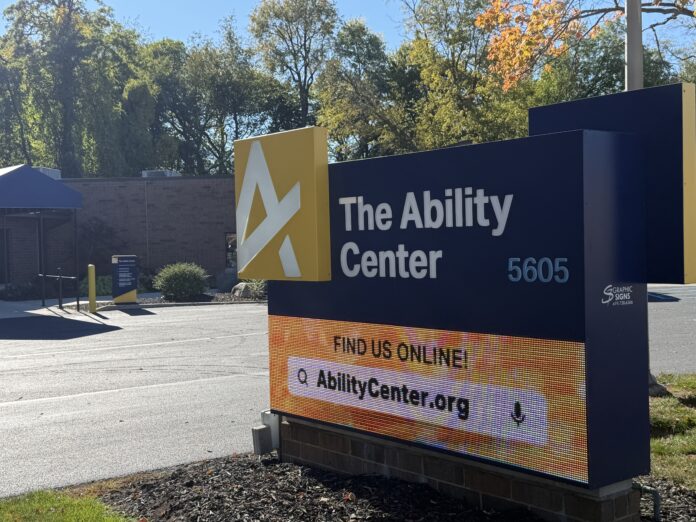
The world is going to the dogs. The Ability Center of Greater Toledo is helping through its Assistance Dogs program.

The 100-year-old non-profit organization helps people with disabilities to become more independent. Dogs are trained to be skilled companions, school facility dogs, and service dogs.

But the Ability Center can’t do it alone. The program needs volunteers as puppy raisers and fosters.

Phil and Jennifer Kraus with one of their foster dogs

“Our assistance dogs’ program is always top of mind,” said Taylor Fitzgerald, Development and Outreach Coordinator. A puppy raiser takes a puppy from the center into their home. “They’re training this puppy to go outside to go potty and to learn basic house manners,” added Stacie Baumbarger, Assistance Dogs Program Director. “They’re bringing this puppy to the facility for training once a week.”  Raisers have puppies from the time they are eight weeks old until they are five months. After that, they join a prison program to receive further training. Two inmates function as dog handlers to train them and attend weekly classes led by Ability Center staff.

After finishing their training in prison, they return to foster care for nine months before coming back to prison for a second phase of training. Next, they return to a foster home until graduation and placement. “They are matched up with individuals that would like to be more independent, usually. They’re individuals with mobility disabilities.”  The dogs, typically Labrador Retrievers, “can pick up items, open refrigerator doors, grab water bottles, and bring them to their person,” explained Fitzgerald.

Ability Center client Charnele described the benefit of her service dog, Mary. “Having an assistance dog has allowed me to remain independent and feel safe both at home and when I am in public. Sometimes, it is physically difficult to get out of bed and to just keep going, but knowing I have Mary, who depends on me as much as I depend on her, has motivated me, and together – we are unstoppable!”


RELATED: Significant Redevelopment Plans for The Four Corners in Downtown Toledo


Volunteers Jennifer Kraus and her husband Phil are repeat puppy raisers and fosters. Phil says the animals have had an enormous impact on their lives. “We have done dogs where we’ve both raised them as puppies and fostered them all the way through graduation,” he explained. The couple admit giving up pups isn’t easy. However, their reward comes from knowing that the dogs help individuals such as Charnele. “It’s a much happier goodbye when we get to pass these dogs off to their client,” Phil continued, “It feels so good to know the good that they are doing.” Jennifer describes the experience as “a phenomenal” ending.

The Ability Center is 100 years old and serves 13 counties including Lucas. There are typically up to 75 dogs in the program at one time. The Ability Center pays for expenses including food and vet visits. Volunteers take part in weekly training and orientation and must go through a screening process.

The Assistance Dogs program is one of several services provided by the Ability Center to support people with disabilities and help them thrive. Additional projects include employment training programs and aid with medical equipment.

Phil and Jennifer said the program brings them joy. “If you love dogs, go get involved in this program because it’s not anywhere near as much work as you think, and it gives you more than you give the program.”

For more information, provide donations or find out more about the Assistance Dogs program, go to Abilitycenter.org.

The Toledo City Paper depends on readers like you! Become a friend today. See membership options

“We want to raise pups that are going to go out there and change someone’s life for the better. And Lord knows they do that for us.”  -Jennifer Kraus, Puppy Raiser

The world is going to the dogs. The Ability Center of Greater Toledo is helping through its Assistance Dogs program.

The 100-year-old non-profit organization helps people with disabilities to become more independent. Dogs are trained to be skilled companions, school facility dogs, and service dogs.

But the Ability Center can’t do it alone. The program needs volunteers as puppy raisers and fosters.

- Advertisement -
Phil and Jennifer Kraus with one of their foster dogs

“Our assistance dogs’ program is always top of mind,” said Taylor Fitzgerald, Development and Outreach Coordinator. A puppy raiser takes a puppy from the center into their home. “They’re training this puppy to go outside to go potty and to learn basic house manners,” added Stacie Baumbarger, Assistance Dogs Program Director. “They’re bringing this puppy to the facility for training once a week.”  Raisers have puppies from the time they are eight weeks old until they are five months. After that, they join a prison program to receive further training. Two inmates function as dog handlers to train them and attend weekly classes led by Ability Center staff.

After finishing their training in prison, they return to foster care for nine months before coming back to prison for a second phase of training. Next, they return to a foster home until graduation and placement. “They are matched up with individuals that would like to be more independent, usually. They’re individuals with mobility disabilities.”  The dogs, typically Labrador Retrievers, “can pick up items, open refrigerator doors, grab water bottles, and bring them to their person,” explained Fitzgerald.

Ability Center client Charnele described the benefit of her service dog, Mary. “Having an assistance dog has allowed me to remain independent and feel safe both at home and when I am in public. Sometimes, it is physically difficult to get out of bed and to just keep going, but knowing I have Mary, who depends on me as much as I depend on her, has motivated me, and together – we are unstoppable!”


RELATED: Significant Redevelopment Plans for The Four Corners in Downtown Toledo


Volunteers Jennifer Kraus and her husband Phil are repeat puppy raisers and fosters. Phil says the animals have had an enormous impact on their lives. “We have done dogs where we’ve both raised them as puppies and fostered them all the way through graduation,” he explained. The couple admit giving up pups isn’t easy. However, their reward comes from knowing that the dogs help individuals such as Charnele. “It’s a much happier goodbye when we get to pass these dogs off to their client,” Phil continued, “It feels so good to know the good that they are doing.” Jennifer describes the experience as “a phenomenal” ending.

The Ability Center is 100 years old and serves 13 counties including Lucas. There are typically up to 75 dogs in the program at one time. The Ability Center pays for expenses including food and vet visits. Volunteers take part in weekly training and orientation and must go through a screening process.

The Assistance Dogs program is one of several services provided by the Ability Center to support people with disabilities and help them thrive. Additional projects include employment training programs and aid with medical equipment.

Phil and Jennifer said the program brings them joy. “If you love dogs, go get involved in this program because it’s not anywhere near as much work as you think, and it gives you more than you give the program.”

For more information, provide donations or find out more about the Assistance Dogs program, go to Abilitycenter.org.

Recent Articles

Our Latest Digital Issue

Toledo City Paper
Privacy Overview

This website uses cookies so that we can provide you with the best user experience possible. Cookie information is stored in your browser and performs functions such as recognising you when you return to our website and helping our team to understand which sections of the website you find most interesting and useful.