

The Toledo City Paper depends on readers like you! Become a friend today. See membership options
National Nurses Week is a time to appreciate healthcare providers, who put themselves at risk, daily, while protecting the greater community. Celebrated annually for one week in May, Nurses Week was founded nationally to recognize the many contributions that nurses make to the communities they serve.
Nursing Profession Under Threat
Impact of policy changes on nursing and healthcare quality
Recent policy adjustments by the current administration have reclassified nursing from professional degree status and reduced graduate loan programs.
These measures may adversely affect healthcare quality and accessibility by limiting resources available to the largest segment of the healthcare workforce, especially as service demand increases with an aging population. Advanced practice nurses serve essential functions in underserved regions, and data shows that nurses routinely fulfill their loan obligations after graduation.
The decline in nursing’s professional standing, paired with efforts to diminish graduate loan support, is likely to affect the high standards of the nursing profession. Leading organizations, including the American Nurses Association, have often highlighted that diminishing the professional stature of nurses could compromise patient safety, given their pivotal role in care coordination, early identification of complications, and clinical decision-making.
Graduate loan programs and the pipeline of advanced practice nurses
Administrative proposals to curtail or end graduate loan programs, often implemented via agencies such as the US Department of Education, pose direct challenges to sustaining the
pipeline of advanced practice nurses.
Graduate-level education is necessary for positions including nurse practitioners, clinical nurse specialists, nurse anesthetists, and nurse educators.
These roles are critical for mitigating provider shortages, particularly in rural and underserved communities. Restricting access to affordable financing may discourage qualified nurses from pursuing advanced education, leading to contraction within the healthcare workforce.
Disproportionate impact on working class nurses and workforce diversity
Reductions in graduate loan programs disproportionately affect nurses from working class backgrounds. Unlike certain professions, many nurses begin their careers with existing undergraduate debt and modest compensation compared to the cost of advanced education. Ending financial aid creates barriers to upward mobility, limits diversity in advanced practice roles, and restricts opportunities predominantly to those with independent financial resources. This has implications not only for individual career development but also for cultural competency and equity of patient care delivery.
Consequences for Patient Outcomes and Healthcare Delivery
The convergence of professional downgrading and reduced educational opportunities directly affects patient outcomes. Evidence proves that elevated levels of nursing education correlate with decreased mortality rates, while proper staffing lowers complications and hospital readmissions. Advanced practice nurses play a significant role in broadening access to primary and specialty care. Weakening the profession and constraining its educational pipeline may lead to fewer qualified nurses, increased workloads, and diminished care quality.
Long-Term Risks for the Healthcare System
If these patterns persist, the healthcare system may experience heightened physician shortages due to insufficient numbers of advanced practice nurses. Bedside nurses could face higher turnover and burnout, there may be a decrease in interest in nursing careers resulting from reduced respect and advancement prospects, and what appears to be a cost-saving measure could result in greater long-term costs through negative outcomes, increased hospitalization, and workforce instability.
Recommendations: strengthening the nursing profession
Rather than reducing the professional status of nursing, it is advisable for policymakers and healthcare leaders to prioritize its enhancement. Strategies include supporting and expanding graduate loan and forgiveness initiatives, reinforcing the professional scope and
authority of nurses, and investing in education, mentorship, and workforce development.
Nurses are integral to the healthcare system, and any policy that diminishes their role or limits advancement threatens systemic stability.
Conclusion: The need for sustained investment and respect To sum up, changes in nursing classifications and cuts to graduate loan programs pose linked difficulties that could weaken healthcare delivery in the future. Addressing these concerns requires acknowledgment of nursing as a profession calling for ongoing investment and respect.
Susan Pratt RN, BSN
UAW Local 2213 President and Chairperson
Sunshine Communities’ Shining Star
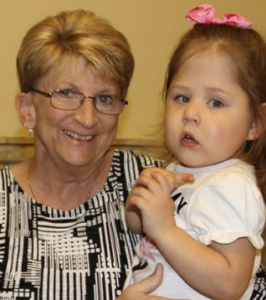 For nearly five decades, Linda Dittman has quietly shaped the standard of care at Sunshine Communities — not through recognition, but through action. A South Toledo native who knew she wanted to be a nurse in seventh grade, Linda built a 48-year career defined by compassion, consistency, and the ability to see potential where others might not. She began in a preschool diagnostic clinic, supporting children with developmental delays, at a time when ventilator support didn’t exist and medical resources were basic. As medicine advanced, Linda didn’t just adapt — she helped lead Sunshine into a new level of specialized care.
One standout achievement that Sunshine is known for today, its ventilator program, was built through Linda’s persistence and clinical expertise. She trained staff, built systems, and established trust with families and physicians. Under her leadership, Sunshine expanded from supporting four individuals on ventilators to now supporting nineteen, transforming what’s possible for people with complex medical needs.
Mentoring, strengthening and caring
Colleagues describe her as calm under pressure. As Angela Lyons put it, “It could be serious medical chaos, and Linda would walk in and turn it into a well-tuned, calm environment. She has your back.”
Her legacy goes beyond programs. It lives in the people she mentored, the teams she strengthened, and the standard of care she quietly raised every day.
One story captures it best. Linda reflects, “Faith was one of the most medically complex children I cared for. I learned so much from her.” After Faith passed at just one year old, Linda made a heart-shaped quilt from the child’s clothes. It now hangs in a pediatric unit at a local hospital — a lasting symbol of care that goes beyond the job.
Through every life she has touched, one thing is clear: Linda didn’t just do her job. She transformed it.

