
The Toledo City Paper depends on readers like you! Become a friend today. See membership options
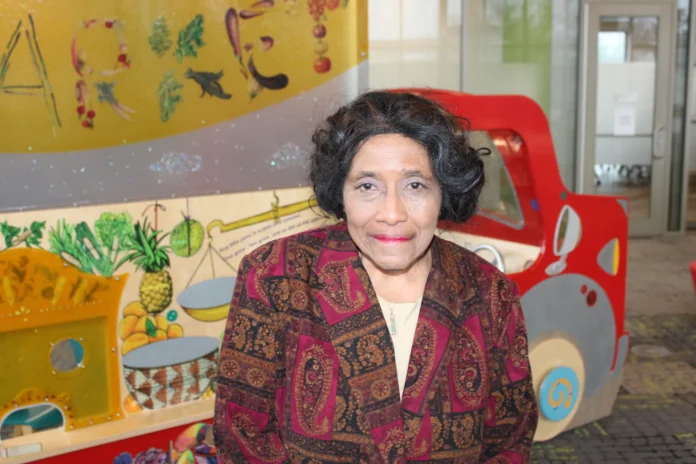
As we honor Black History Month this February, Toledo’s stories of resilience, community and entrepreneurship stand front and center. While many remember the legacy of Tulsa’s Greenwood District as the iconic Black Wall Street, our own city’s roots in economic self-determination and neighborhood unity run deep along Dorr Street, once Toledo’s own Black business corridor. Keeping that history alive is Doris Greer, a lifelong Toledo resident whose memories of community offer direction for our present and future.
A front porch of commerce and connection
Before highways and redevelopment reshaped the landscape, Dorr Street was much more than a thoroughfare. It was a living, breathing community hub where shopkeepers, professionals, neighbors and families wove their lives together. Greer recalls a walkable world where students walked to school, neighbors shopped locally, and business owners knew multiple generations of families. Community members were caretakers who kept watch, stepped in when disagreements flared, and protected kids like their own.
“We felt safe,” Greer told Asia Nail of The Sojourner’s Truth, “Not that we did not have disagreements, but we knew each other.”
Door Street used to be a network of pride, empowerment and shared ownership. That deep sense of belonging shaped how children and adults alike saw themselves and their community.
The evolution and erasure of memory
Today, the physical landscape of Dorr Street is unrecognizable to many who knew it in its heyday, echoing a broader pattern seen in Black business districts across the country. Decades of discriminatory urban renewal, highway expansion and disinvestment altered once-vibrant neighborhoods, erasing storefronts and scattering the economic heart of communities.
Greer warned that history doesn’t just disappear. It’s erased intentionally or through neglect. She pointed out buildings originally constructed by Black entrepreneurs and professionals, such as the Drew Hale Building, whose names and stories have vanished over time. Still, Historical Markers like the one honoring Ella P. Stewart’s pharmacy — one of the earliest Black-owned businesses on Dorr Street and the first Black-owned pharmacy in Toledo — serve as tangible reminders of the truth that history matters.
Greer believes churches deserve the same preservation as other historical buildings, as they are lifelines for the community.
“Our churches allow us to thrive both spiritually and physically,” Greer said.
From memory to movement: lessons for today
This Black History Month, Greer’s message resonates: preserving history is an act of empowerment. Greer said that preserving Black history begins at home, with family stories, photographs, church programs and obituaries saved and shared across generations. It continues in libraries, museums and historic neighborhoods where legacies are made visible and accessible to young people figuring out who they are and where they come from.
But honoring Black history is also forward-looking. Greer champions collective action, reminding us that leaders like Dr. King, Malcolm X and W.E.B. Du Bois didn’t give up in the face of systemic barriers, and neither should we. Greer calls for strong collaboration among Black businesses, nonprofits and community leaders to spark positive change and build economic equity now.
Groups like Black Wall Street Community Development — formed by Toledo’s Black media outlets — are already working to rebuild networks of support and opportunity for Black-owned businesses through events and networking that echo the cooperative spirit of Dorr Street’s prime.
As cities like ours grapple with development plans and revitalization efforts, Greer urges decision-makers and residents alike to remember what truly made Toledo’s Black Wall Street thrive: people who cared for each other, worked together and believed in shared prosperity.
“Love your community,” Greer said. “Love your street. Love your people.”