
Tuesday, March 17, 2026

The Mystery of Gray Divorce

The Toledo City Paper depends on readers like you! Become a friend today. See membership options

A changing legacy of divorce in the United States

Divorce has a complicated legacy in the United States and has only become relatively socially acceptable within the last three or four decades. The formerly frowned upon process of separation between a legally joined married couple, divorce in Colonial times leading clear up to the 20th century was a process largely forbidden with extreme exceptions and often so expensive that only the rich could truly afford it. It’s a common mental image when one hears about divorce to picture a young, unhappily married pair who tied the knot on a whim and have come to regret it. But these days, it’s not just naive regretful youngsters heading to the courthouse for a second visit. In fact, roughly 40% of divorcees consist of couples in their 50’s or higher who have been married for decades, sometimes long enough to remember when the process was considered taboo.

Why is this happening? Brown’s theories on gray divorce

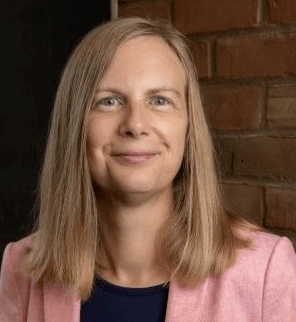
But why is this case? BGSU sociology professor Susan L. Brown has a few theories. Brown has been studying this phenomenon for many years, having published more than fifteen articles on the topic, which she has dubbed Gray Divorce, referring to the middle aged and elderly affected by it. Brown recently appeared on the Oprah Winfrey show on the 28th of October to discuss her research on the topic. Brown is considered an expert in her field in the study of family structures and her research at the National Center for Family and Marriage Research at BGSU, which she co-directs.


REALTED: Divorce Guide


Divorce: A messy practice with shifting social foundations

Divorce itself is already a messy practice even in spite of its more accepted social standing in the modern age. Formerly, women faced the prospects of spending their lives trapped in unhappy or even abusive marriages due to a number of factors which Brown highlights; social judgment, lack of rights, lack of financial independence or the threat of losing their children. These days, there’s far more support for women seeking to regain their independence through legal means, as well as the financial means to support themselves without their husbands and these reasons are some of which Brown highlights in her interview. Though the rates of divorce have begun to fall in the last four decades within the US, the largest ratio of divorce is now being observed not with the youth, but with older generations, seeing a doubling rate between the years of 1990 and 2010. The 1970’s and 80’s saw a revolution of sorts regarding divorce and the dissolution of marriage as a paragon of social beliefs, largely replaced with the idea that stability and happiness could be found independently. This, coupled with womens’ growing rights pool and financial and social stability with which to govern their own lives, has led Brown to conclude that women in unhappy and empty marriages have begun to prioritize their own happiness over their unions.

The drawbacks and family impact

While it may have its benefits, Gray Divorce does have its drawbacks in considering the financial rifts that can follow, as well as the thoughts of any grown children watching their parents drift apart and even separate entirely. This can create schisms within the family unit.

Brown’s interview and the evolving meaning of marriage

Brown covers all of this and then some in the over an hour-long interview with Oprah, discussing the noticeable shift of the idea of marriage and happiness as it evolves over the decades and the collapse and growth of societal ideals of what makes a happy life.

The Toledo City Paper depends on readers like you! Become a friend today. See membership options

A changing legacy of divorce in the United States

Divorce has a complicated legacy in the United States and has only become relatively socially acceptable within the last three or four decades. The formerly frowned upon process of separation between a legally joined married couple, divorce in Colonial times leading clear up to the 20th century was a process largely forbidden with extreme exceptions and often so expensive that only the rich could truly afford it. It’s a common mental image when one hears about divorce to picture a young, unhappily married pair who tied the knot on a whim and have come to regret it. But these days, it’s not just naive regretful youngsters heading to the courthouse for a second visit. In fact, roughly 40% of divorcees consist of couples in their 50’s or higher who have been married for decades, sometimes long enough to remember when the process was considered taboo.

Why is this happening? Brown’s theories on gray divorce

But why is this case? BGSU sociology professor Susan L. Brown has a few theories. Brown has been studying this phenomenon for many years, having published more than fifteen articles on the topic, which she has dubbed Gray Divorce, referring to the middle aged and elderly affected by it. Brown recently appeared on the Oprah Winfrey show on the 28th of October to discuss her research on the topic. Brown is considered an expert in her field in the study of family structures and her research at the National Center for Family and Marriage Research at BGSU, which she co-directs.


REALTED: Divorce Guide


Divorce: A messy practice with shifting social foundations

Divorce itself is already a messy practice even in spite of its more accepted social standing in the modern age. Formerly, women faced the prospects of spending their lives trapped in unhappy or even abusive marriages due to a number of factors which Brown highlights; social judgment, lack of rights, lack of financial independence or the threat of losing their children. These days, there’s far more support for women seeking to regain their independence through legal means, as well as the financial means to support themselves without their husbands and these reasons are some of which Brown highlights in her interview. Though the rates of divorce have begun to fall in the last four decades within the US, the largest ratio of divorce is now being observed not with the youth, but with older generations, seeing a doubling rate between the years of 1990 and 2010. The 1970’s and 80’s saw a revolution of sorts regarding divorce and the dissolution of marriage as a paragon of social beliefs, largely replaced with the idea that stability and happiness could be found independently. This, coupled with womens’ growing rights pool and financial and social stability with which to govern their own lives, has led Brown to conclude that women in unhappy and empty marriages have begun to prioritize their own happiness over their unions.

The drawbacks and family impact

While it may have its benefits, Gray Divorce does have its drawbacks in considering the financial rifts that can follow, as well as the thoughts of any grown children watching their parents drift apart and even separate entirely. This can create schisms within the family unit.

- Advertisement -

Brown’s interview and the evolving meaning of marriage

Brown covers all of this and then some in the over an hour-long interview with Oprah, discussing the noticeable shift of the idea of marriage and happiness as it evolves over the decades and the collapse and growth of societal ideals of what makes a happy life.

Recent Articles

Our Latest Digital Issue

Toledo City Paper
Privacy Overview

This website uses cookies so that we can provide you with the best user experience possible. Cookie information is stored in your browser and performs functions such as recognising you when you return to our website and helping our team to understand which sections of the website you find most interesting and useful.